How to Choose the Right Typeface for Your Brand
Typography as Brand Identity
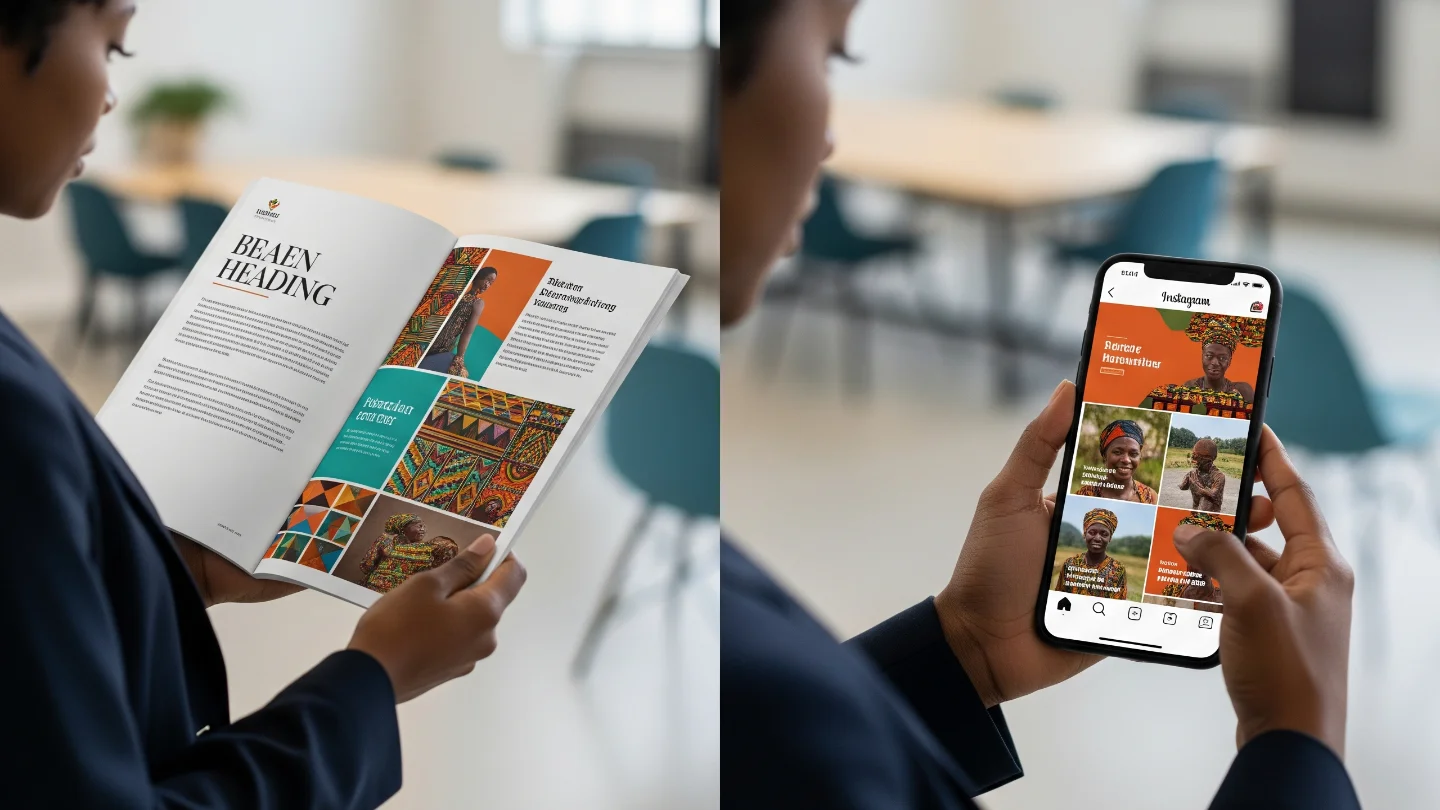
Typography is more than letters on a page—it is the visual voice of your brand. The typeface you choose communicates personality, professionalism, and values before a single word is read. A sleek sans-serif suggests modernity and innovation, while a traditional serif conveys trust and heritage. In printing, the choice of typeface directly affects both readability and brand perception.

Print vs Digital Considerations
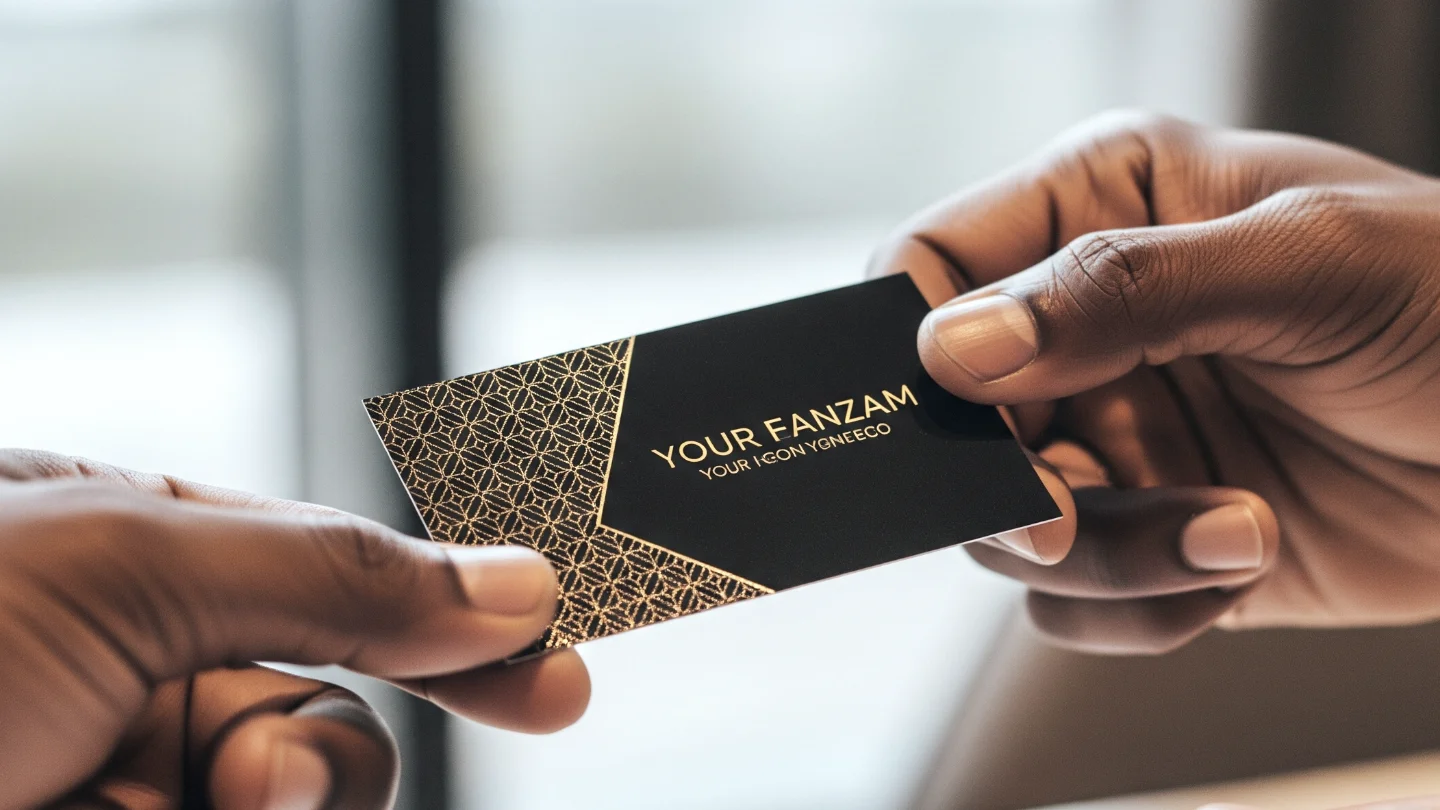
Different typefaces perform differently in print versus digital formats. Fonts optimized for screens may appear too thin or lose clarity when printed in small sizes. Similarly, decorative typefaces may look engaging on posters but quickly lose legibility in brochures or business cards. The right choice balances aesthetic identity with functional clarity across all printed materials.
Consistency Across Materials
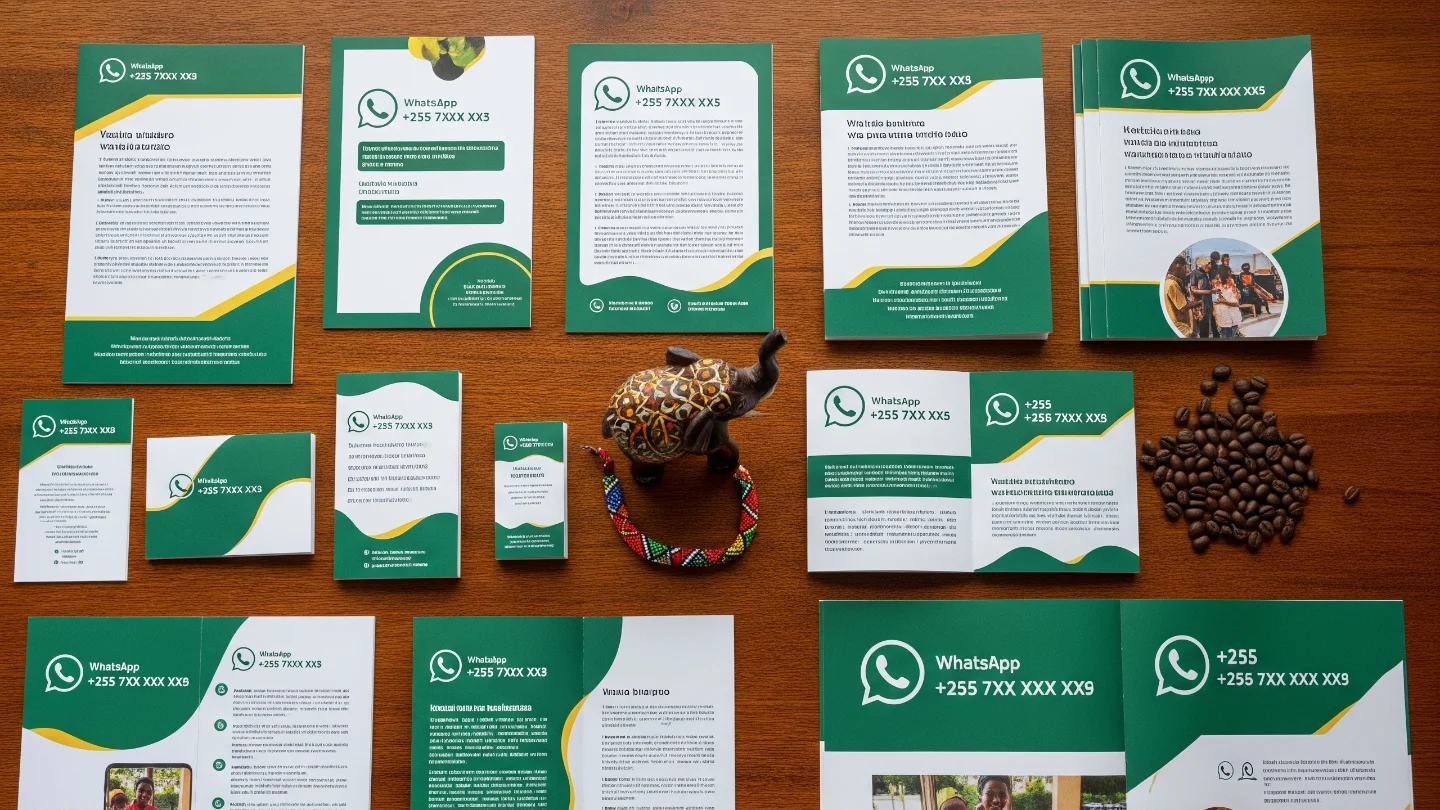
Consistency is key. Once you establish a brand typeface, it should be applied across marketing, packaging, stationery, and signage. This builds recognition and strengthens your visual identity. Pairing typefaces can also be effective: for example, a bold display font for titles combined with a simple body font for text. The secret is contrast without conflict.
Tips for Selecting a Typeface
- Choose fonts that reflect your brand personality (serif for tradition, sans-serif for modernity, script for elegance).
- Test the typeface in different print sizes and weights before final approval.
Tips for Printing with Typography
- Avoid extremely thin fonts for small print; they may disappear on paper.
- Stick to two or three typefaces maximum across all materials to maintain consistency.

Final Thoughts for Designers
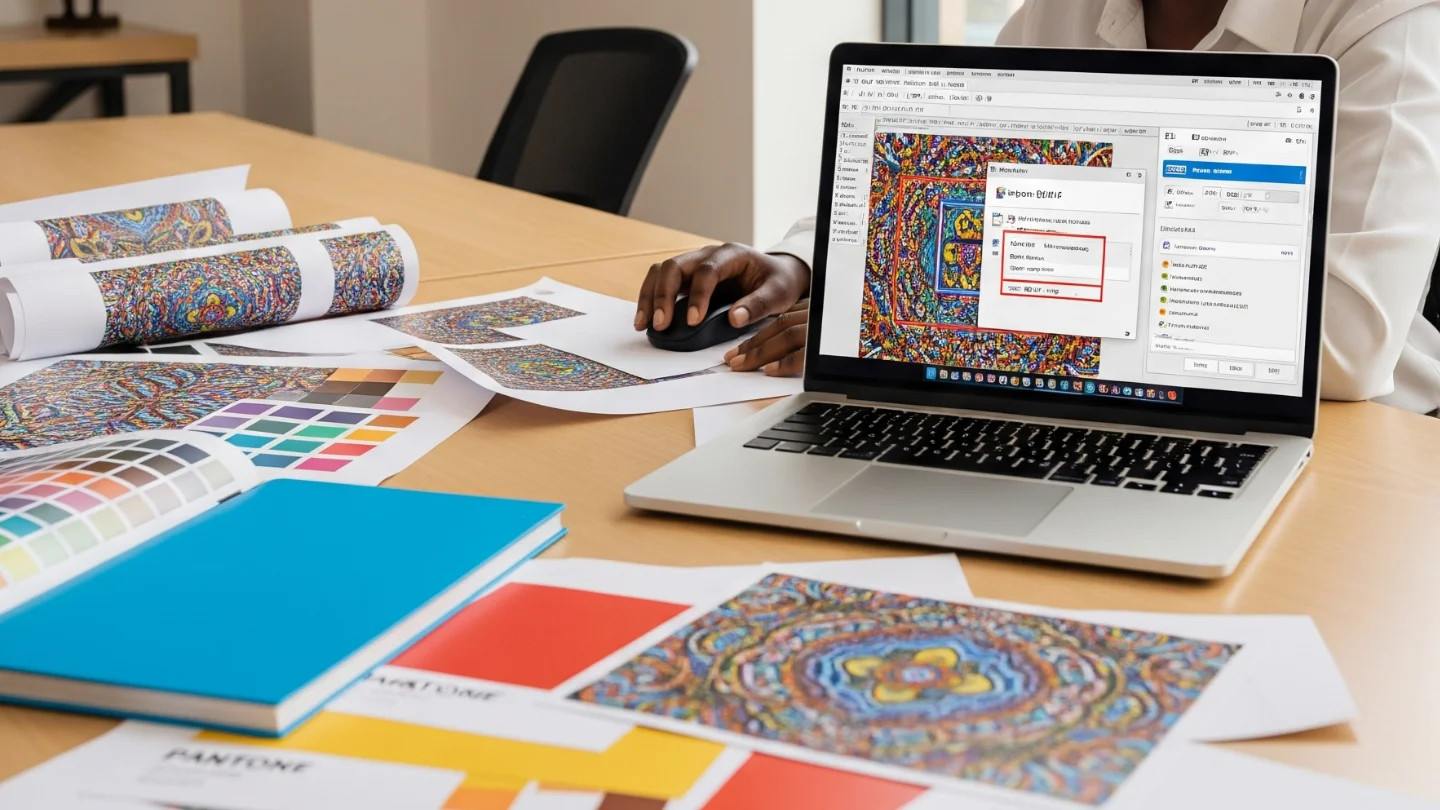
When choosing a typeface, remember that the goal is not only to look stylish but also to serve communication. A typeface that looks elegant on screen may lose its impact when printed at small sizes or on certain paper finishes. Always test your choices in real print conditions—a quick proof on the actual stock you will use can save time, money, and brand credibility. The best designers are those who balance creativity with technical awareness.