The Different Types of Paper for Printing and When to Use Them
Paper as a Design Element
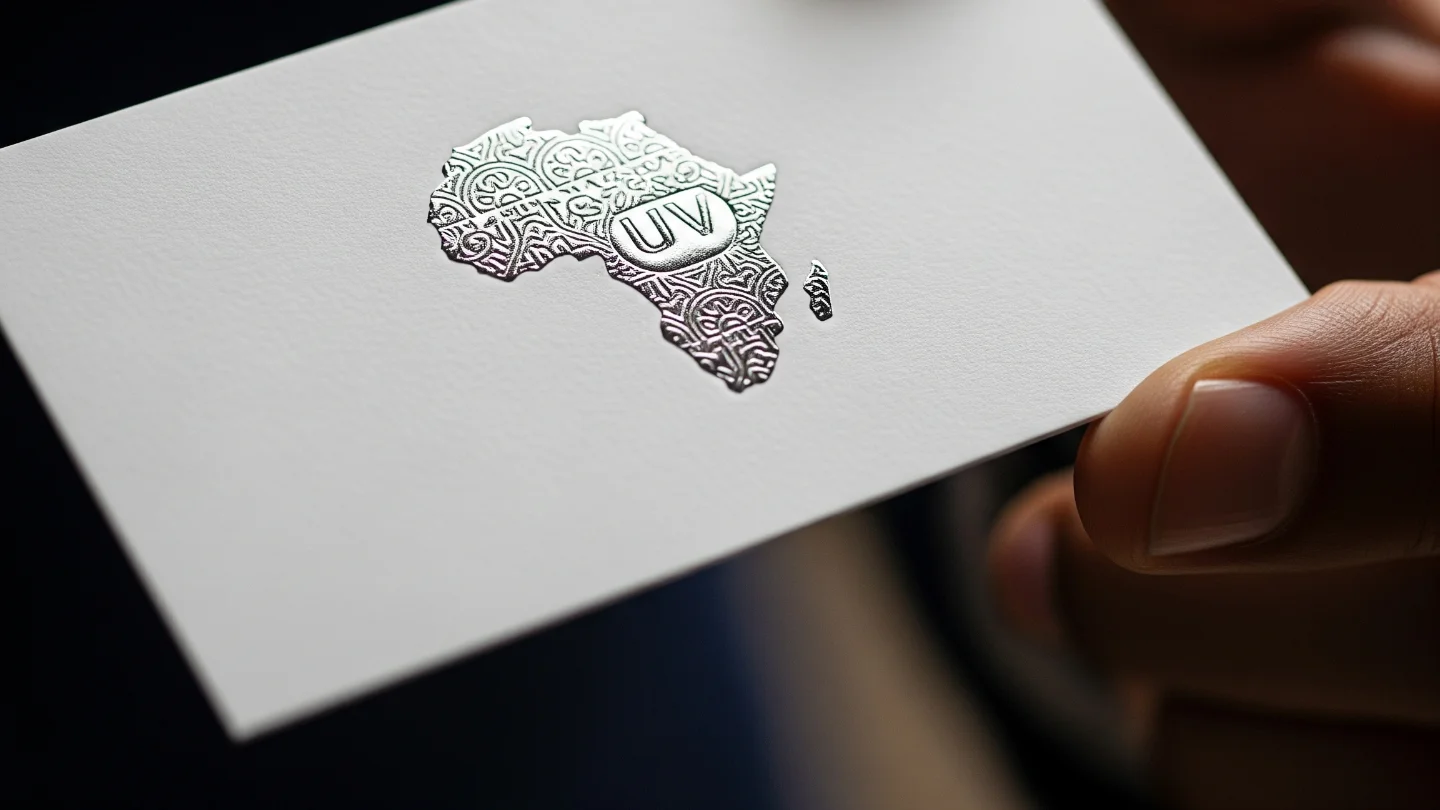
Paper is not just a substrate—it is part of the final design. The weight, finish, and texture of paper can change how colors appear, how text is read, and how professional a product feels. Choosing the right stock ensures that your brochure, business card, or catalog communicates the intended message with the right tactile experience.
Weight, Finish, and Coating
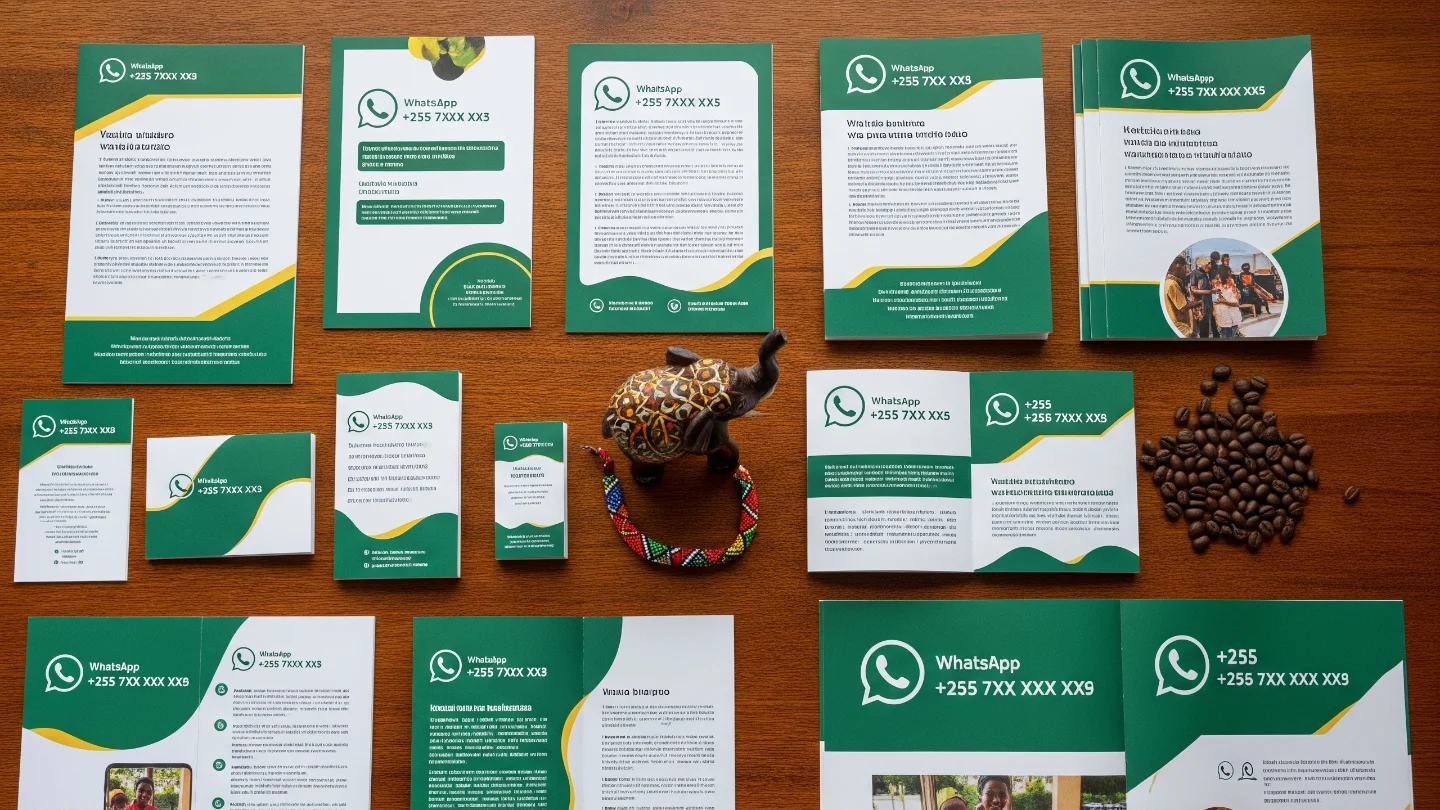
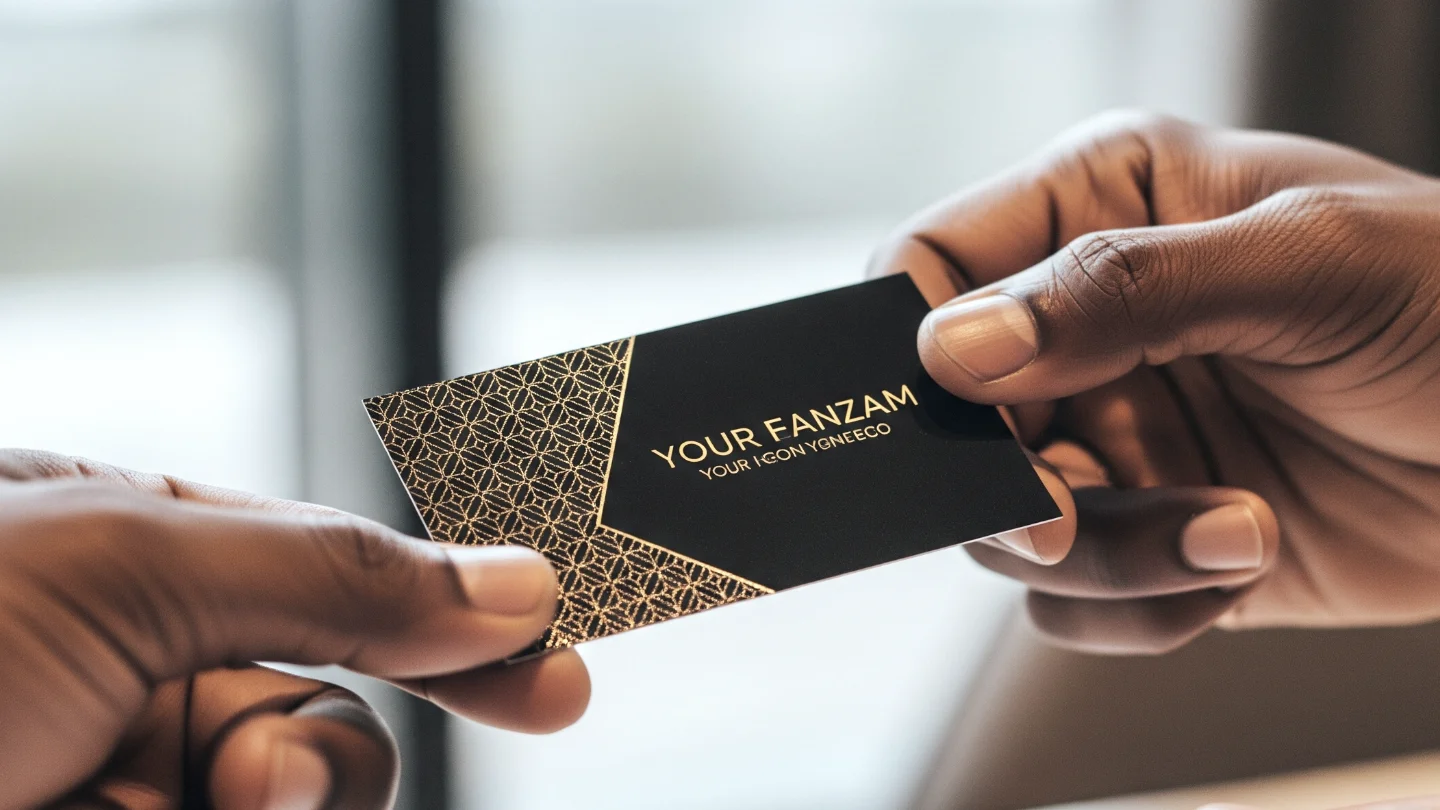
Paper is usually measured in GSM (grams per square meter). Lightweight papers (80–120 gsm) are ideal for internal documents, while medium weights (150–250 gsm) work for brochures and flyers. Heavy stocks (300–400 gsm) are used for covers, invitations, or business cards. Coating also matters: glossy finishes enhance vibrancy, matte finishes soften tones, and textured papers add sophistication for premium projects.
Matching Paper to the Job
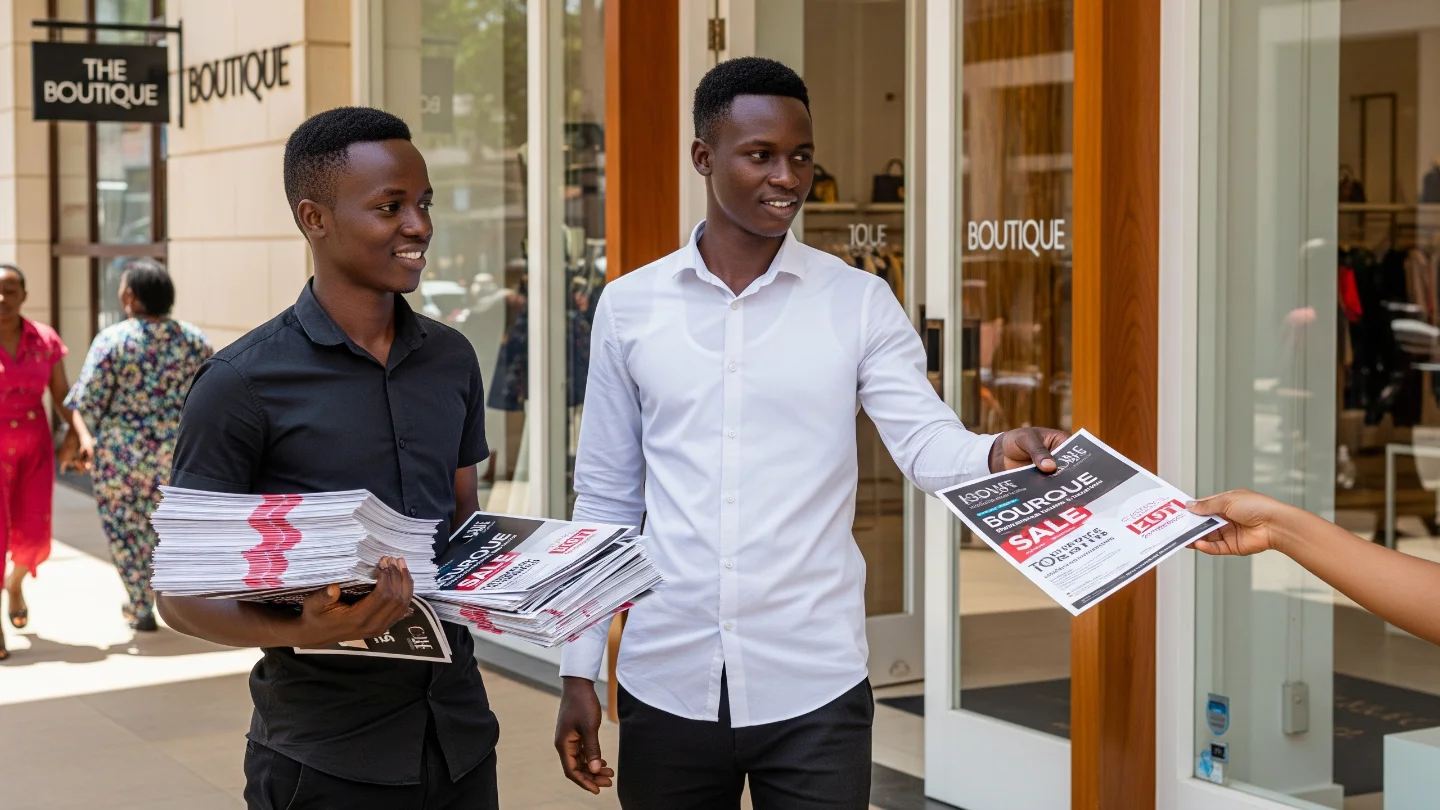
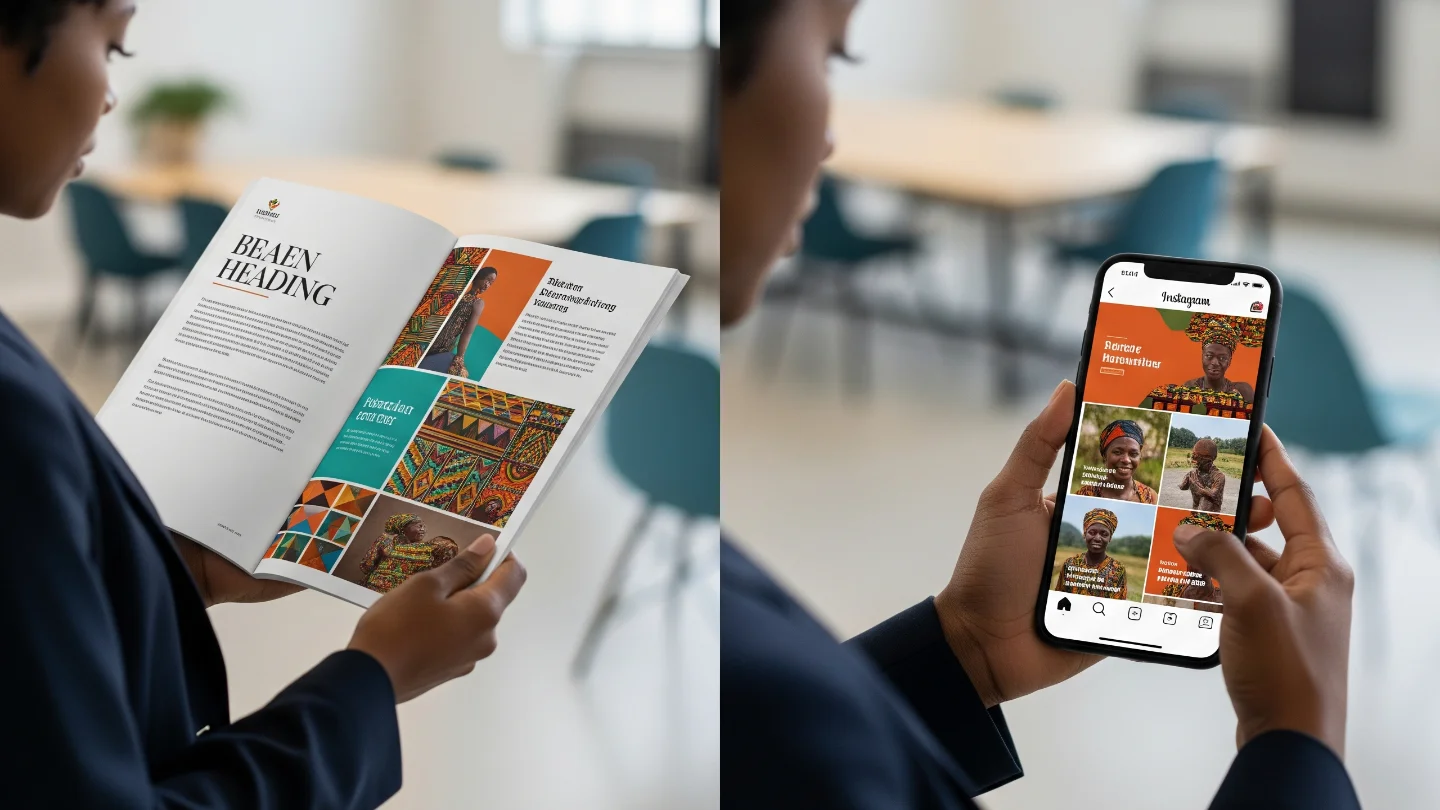
Different projects require different paper choices. Manuals and reports benefit from uncoated stocks for easy reading. Marketing materials such as catalogs and menus often use glossy coated papers to highlight images. Fine art prints and luxury packaging may call for textured or specialty papers. The paper you choose should align with the brand’s personality and the project’s purpose.

Tips for Designers
- Always request a paper sample book before making a decision.
- Consider durability—thin paper may not withstand heavy handling.
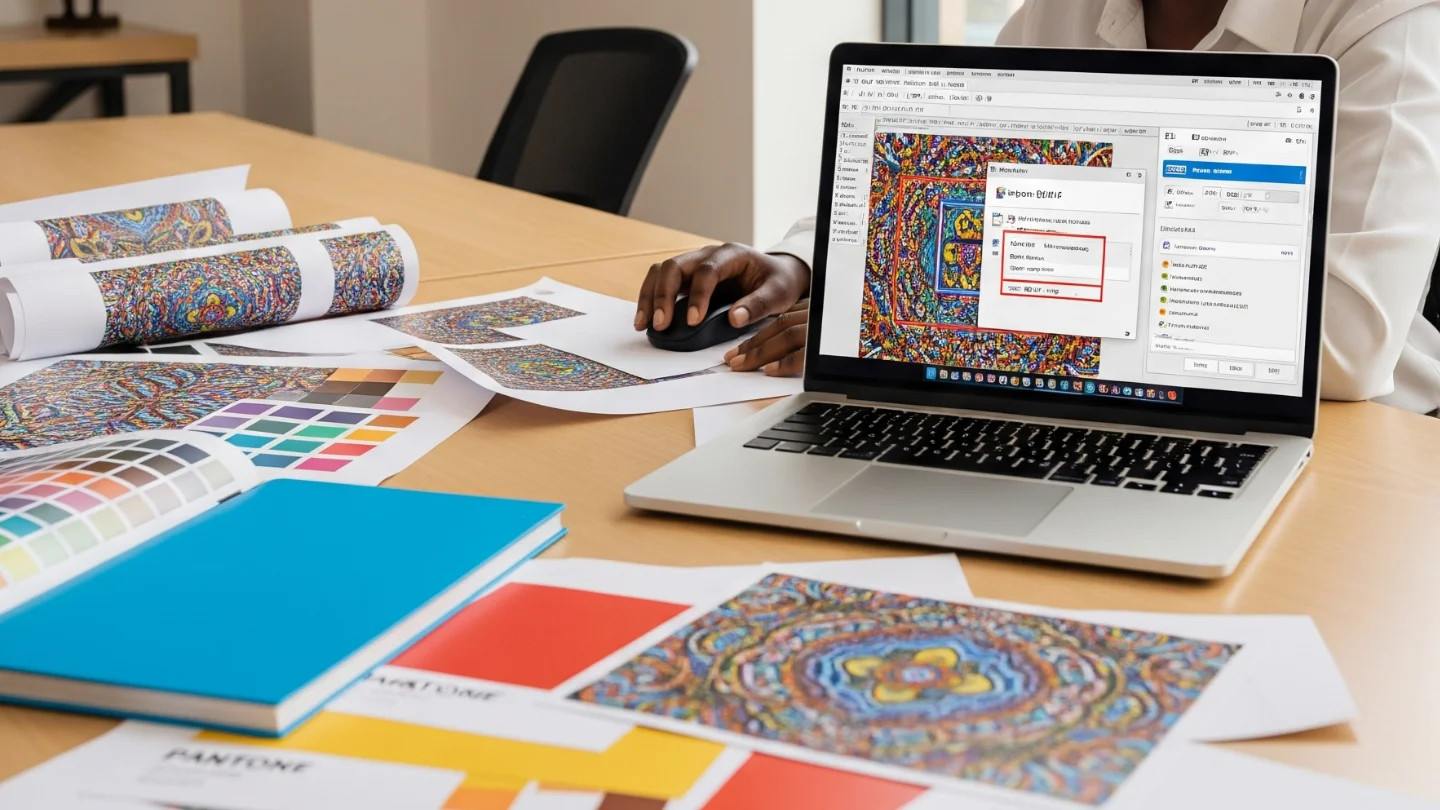
- Design with the paper color in mind; off-white or recycled stocks shift the tone of inks.
- Avoid large solid areas of dark ink on thin uncoated paper; it may warp or look uneven.
- Plan finishing early (folds, lamination, embossing) since not every stock handles these well.
Tips for Clients
- Match paper finish to your brand identity (matte for elegance, gloss for energy).
- Remember that heavier stock adds perceived value to your printed piece.
- Think about the reader’s experience—matte is easier to read for text-heavy documents.
- For sustainability goals, ask for recycled or FSC-certified stocks.
- Choose paper that reflects how long the item should last (lightweight for short-term flyers, heavy coated for long-term menus).
Practical Checklist
- Choose GSM based on purpose (light, medium, heavy).
- Test colors on the chosen stock with a short print run.
- Align paper type with brand personality and target audience.