Catalogs, Brochures, and Menus: A Step-by-Step Guide to Designs That Sell
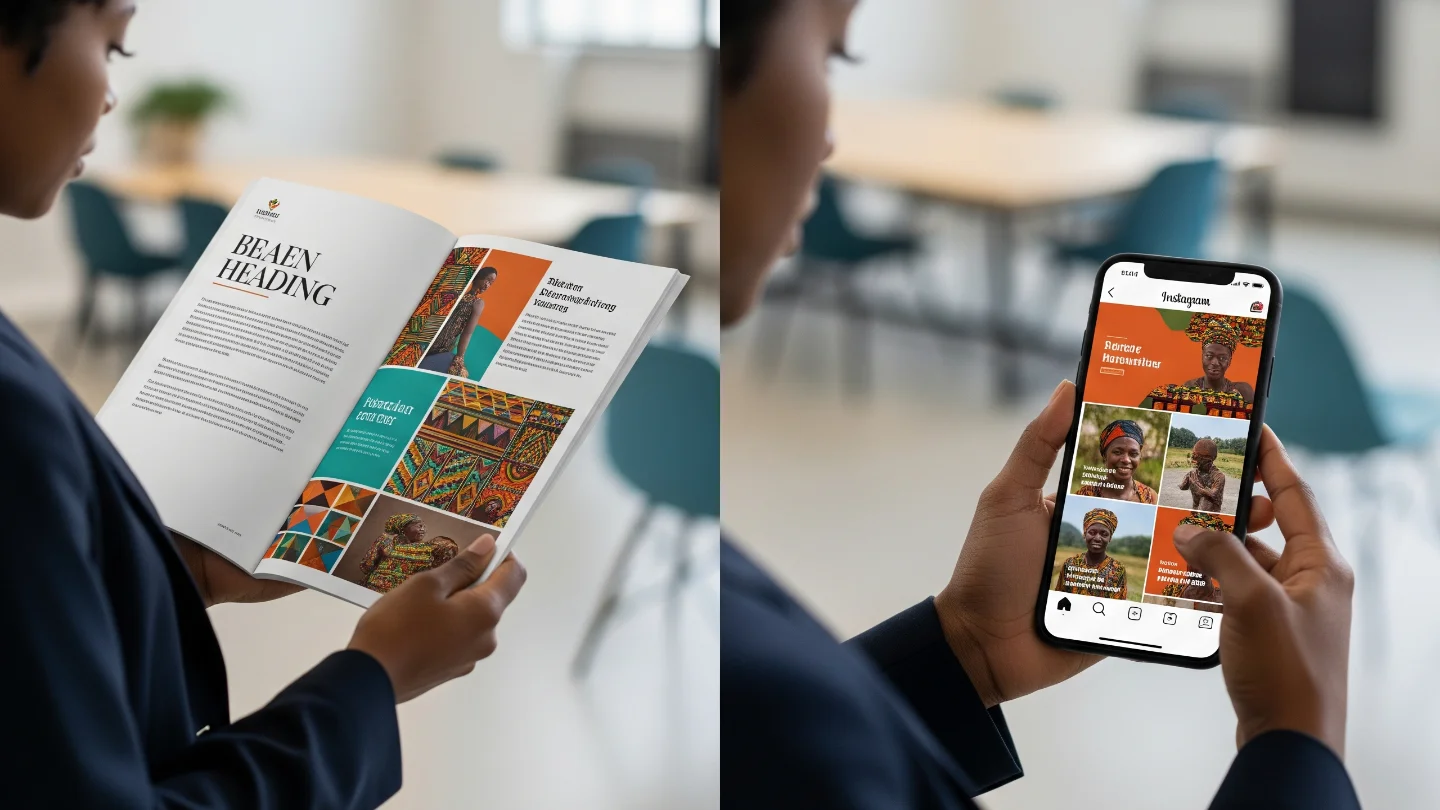
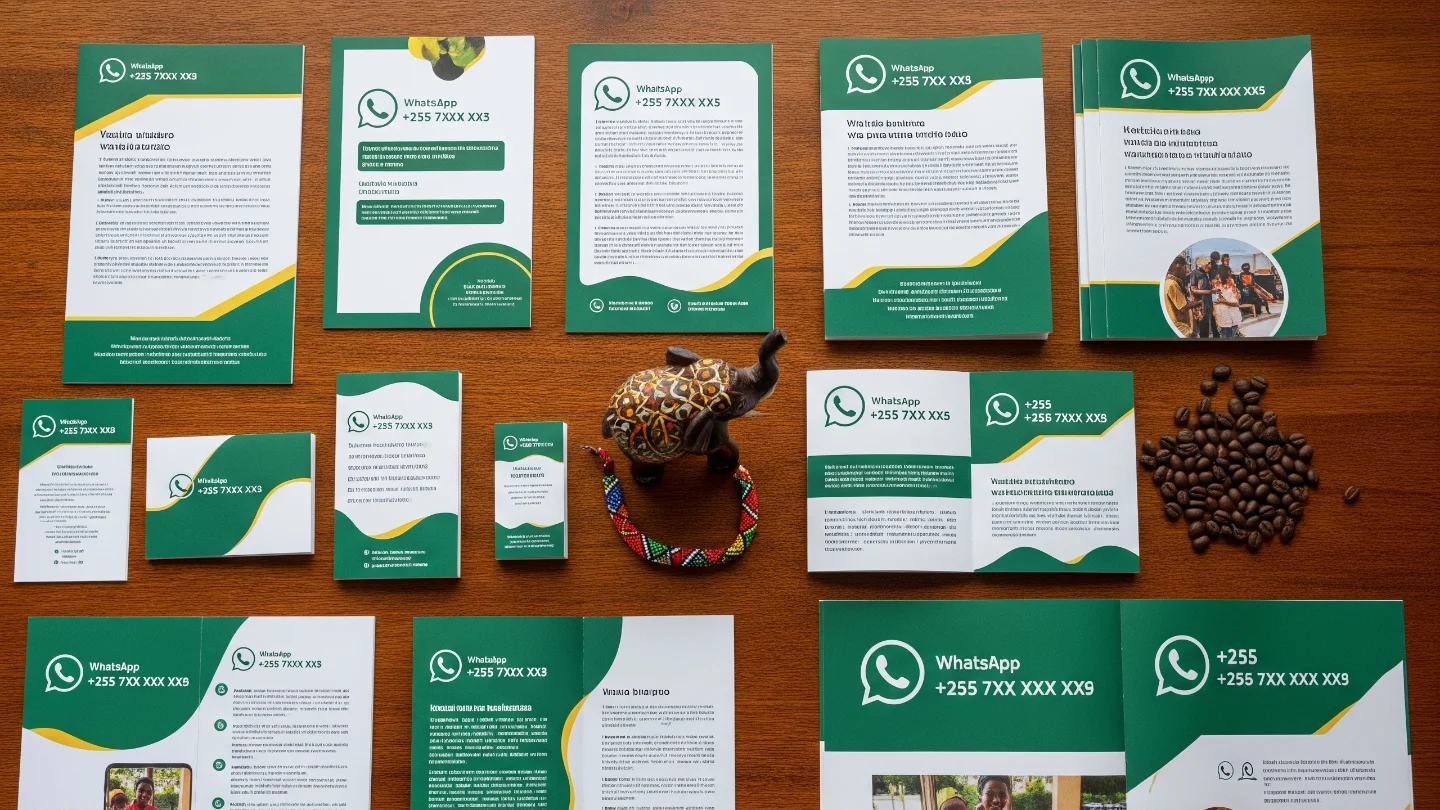
Printed marketing materials remain one of the most effective tools for communicating with customers. Catalogs, brochures, and menus not only present information but also embody the brand’s identity. A poorly designed piece can confuse or disengage the reader, while a well-executed one can boost sales and build loyalty.

Step 1: Define the Goal
Before designing, clarify the purpose:
- Is the brochure meant to inform or to persuade?
- Should the menu highlight specials or elevate the brand image?
- Is the catalog focused on showcasing variety or driving specific sales?
Clear objectives guide every design decision.
Step 2: Organize Content
Structure is everything. Readers skim, so layouts should be clean and logical. Use:
- Headings and subheadings to create hierarchy.
- Icons or callouts to highlight key information.
- White space to avoid clutter.
For catalogs, group products by category. For menus, use visual cues like boxes or symbols to guide choices.
Step 3: Typography and Images
Fonts must balance readability with brand personality. Limit to two or three typefaces. Photos should be high resolution (300 dpi) and color-corrected for print. Remember: in a menu or catalog, images often sell more than text.
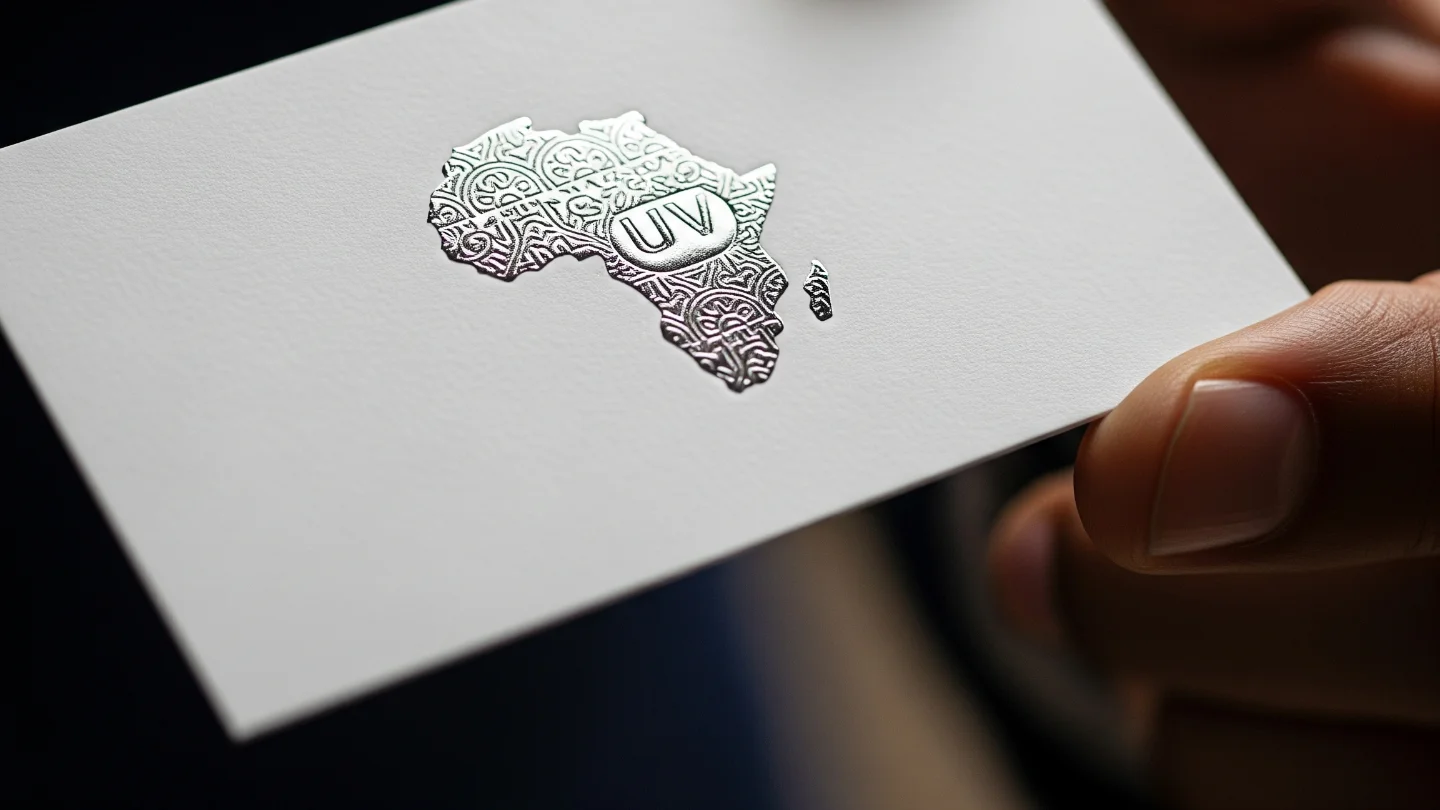
Step 4: Paper and Finish Choices
- Brochures: 150–200 gsm with a matte or gloss coating.
- Menus: Heavier stock (250–350 gsm) with lamination for durability.
- Catalogs: Interior pages on 120–170 gsm with a thicker cover.
These details affect not only durability but also customer perception of quality.
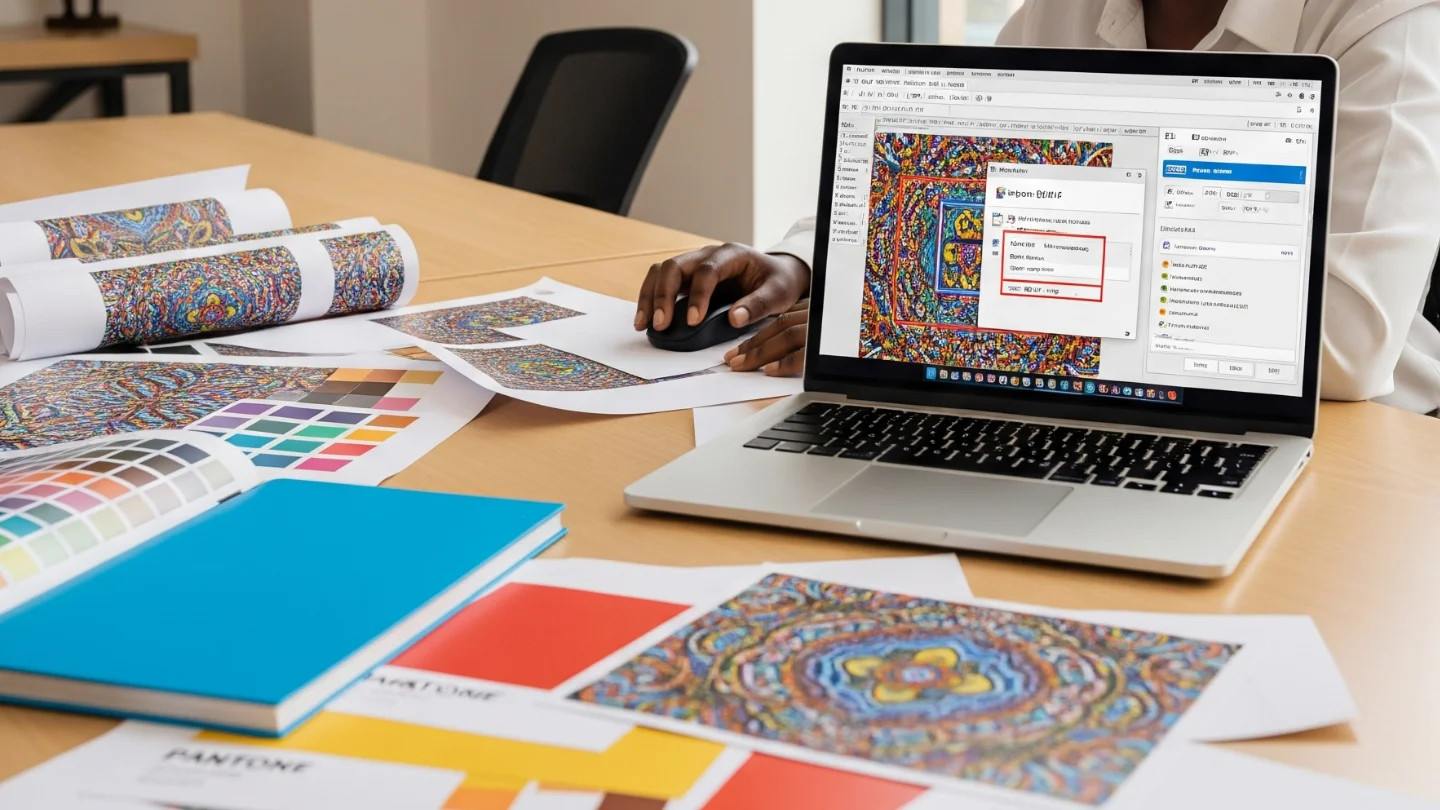
Step 5: Proof and Print
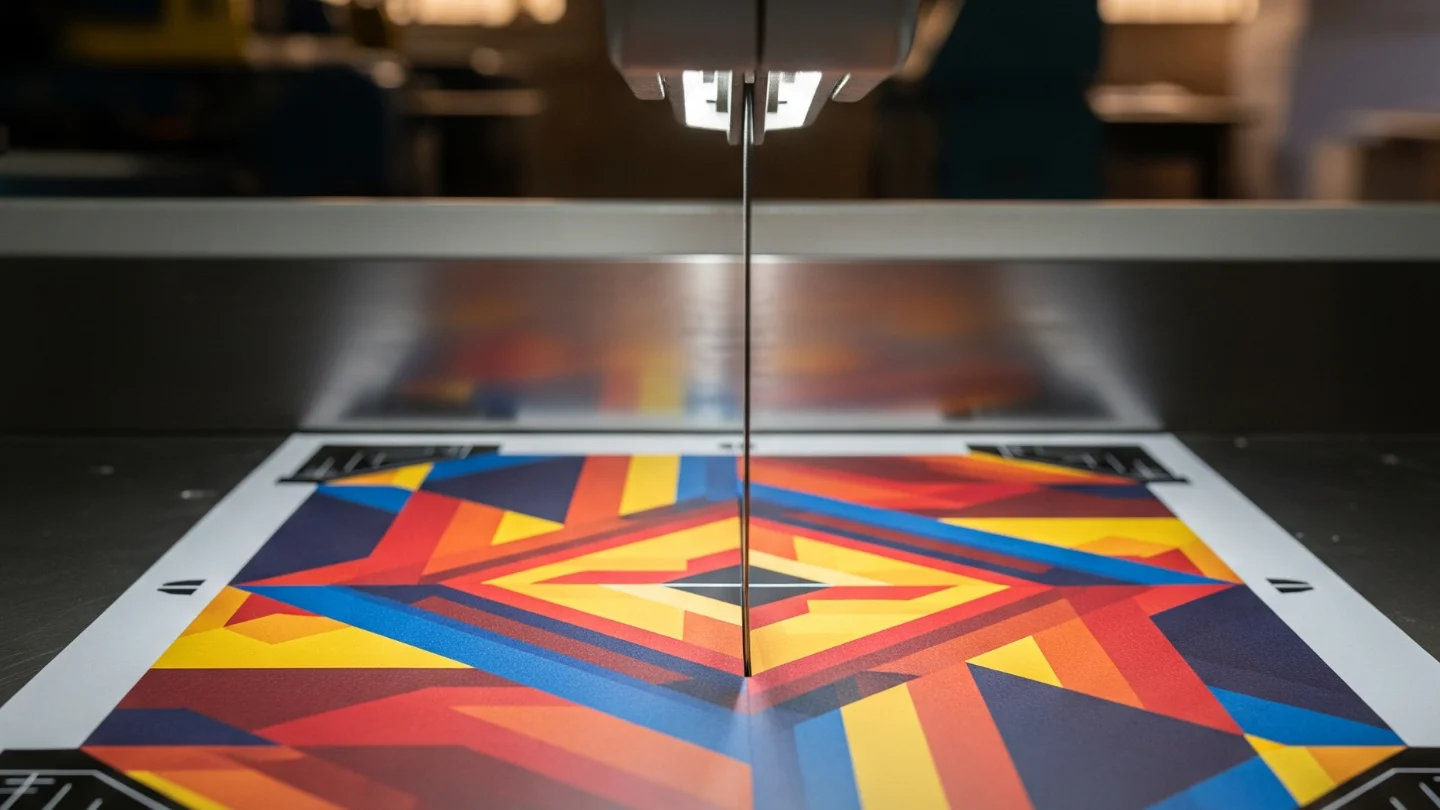
Always print a proof before final production. Check for:
- Spelling or price errors (especially in menus).
- Color accuracy in product images.
- Binding and folding working correctly.

Tips for Designers
- Use a grid system to maintain balance and alignment.
- Place the most important content in the top third of the page.
- Ensure brand colors and typefaces are consistent across all materials.
Final Thoughts for Professionals
Great printed materials combine strategic planning, design excellence, and technical precision. A well-designed catalog, brochure, or menu guides the customer’s attention, enhances credibility, and ultimately drives action. Treat every project as both a design piece and a sales tool.